
Where precision molds and molded components are used
Suzhou Dongying reviews precision molds, injection molding and insert molding for four application areas: electronics and AI server cooling, automotive gears and actuators, busbar and motor insulation, and plastic bearing cages. Each area below links to the part families, engineering guides and RFQ inputs used to start a project. Specifications and acceptance criteria are agreed against your drawings.
Discuss your project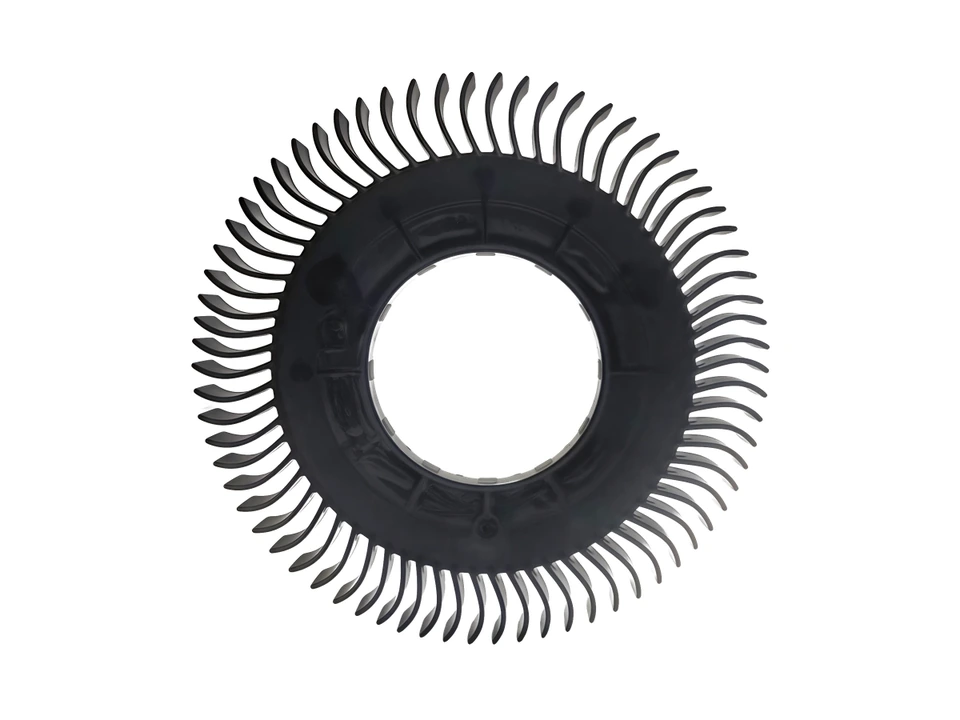
Electronics & AI server cooling
Review the impeller, fan frame and base as individual molded components, with their mounting and assembly interfaces defined.
What we review
- Blade, frame and mounting geometry
- Material requirements and operating environment
- Mating components and agreed inspection criteria
Liquid-cooling parts, including cold-plate connectors, can be evaluated against your drawings and are agreed separately. Cold-plate fluid connectors: evaluation scope
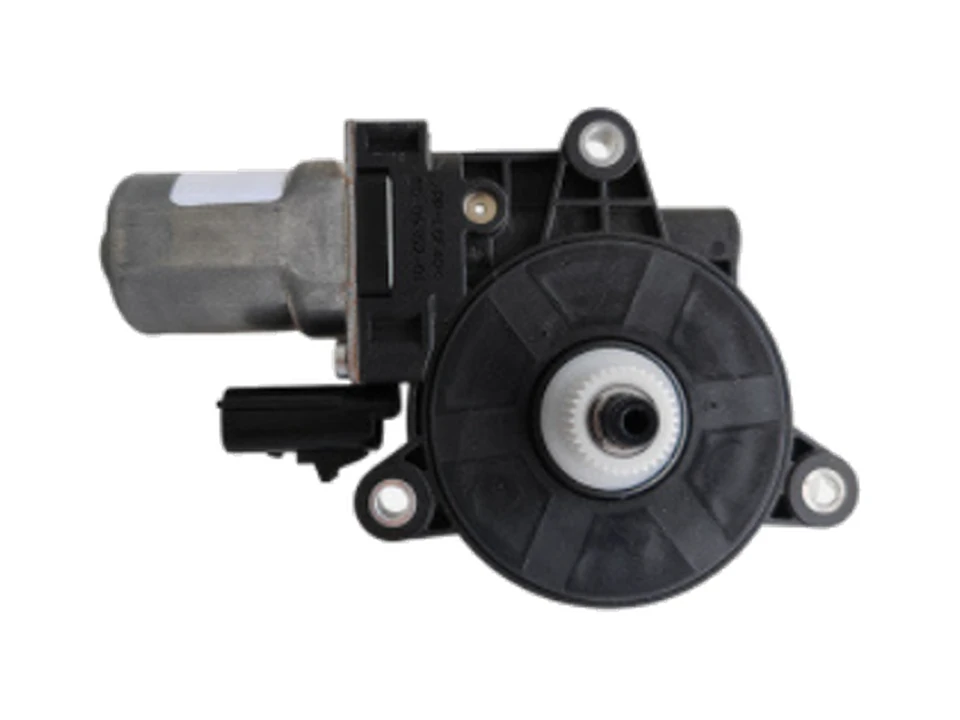
Automotive gears, actuators & large parts
Bring gear geometry, actuator interfaces and housing requirements together; large-part overmolding can be evaluated against your drawings.
Common parts
What we review
- Tooth geometry and mating components
- Housing datums, locating features and assembly interfaces
- Material, sample inspection and supply scope
Complete assembly, plating and related purchased elements are subject to separate agreement.
Engineering guides
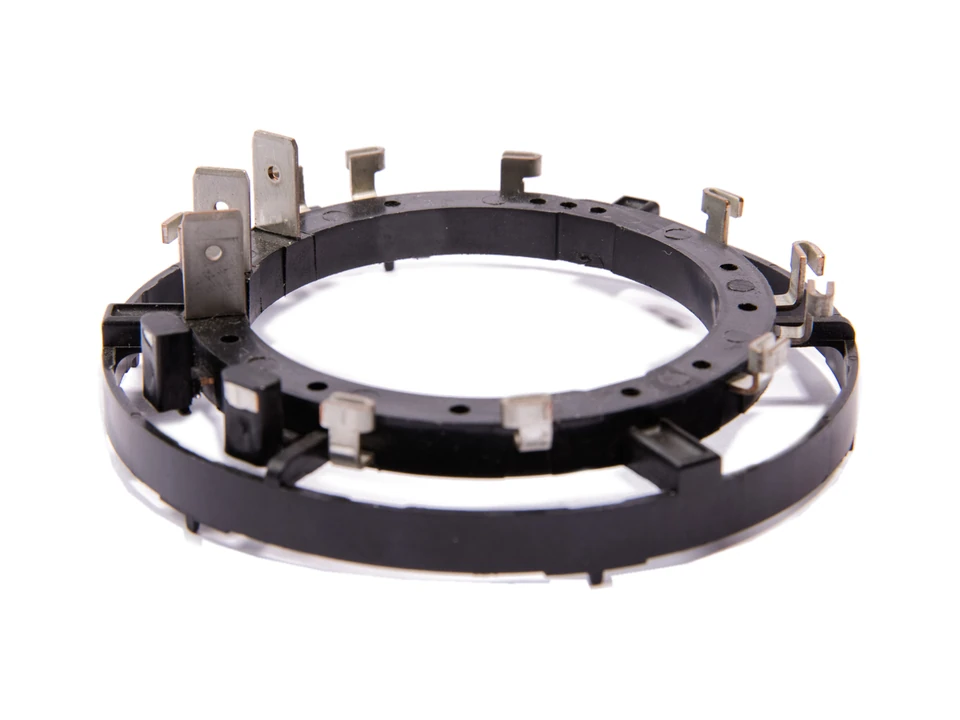
Busbar & motor insulation
Review molded insulation around conductors and motor inserts, defining the plastic-to-metal interfaces before discussing the part supply.
What we review
- Insert geometry, positioning and supplied condition
- Insulation requirements and electrical inspection inputs
- Plastic boundaries and responsibility for insert supply
Stamped metal parts, conductor processing and plating are subject to separate agreement.
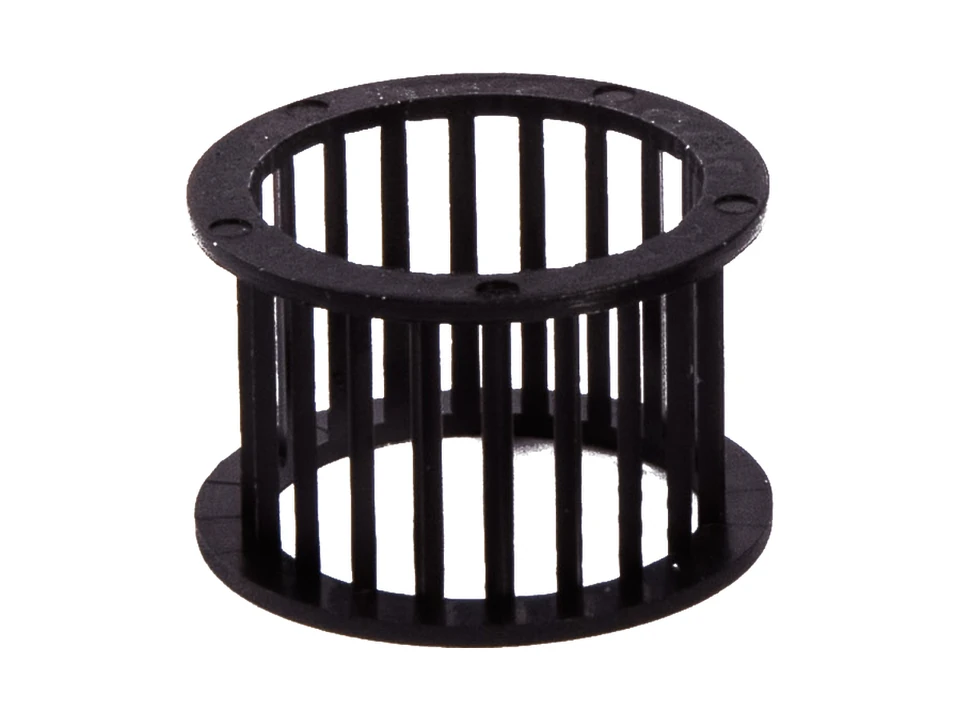
Bearings & rotating assemblies
Start with cage pockets, retaining features and mating rolling elements to define the molded component and its review requirements.
What we review
- Pocket geometry and retaining features
- Rolling elements, fits and assembly interfaces
- Material, lubrication and operating conditions
A mold, molded parts, or both
Agree whether the delivery is a mold for your molding site or a supply of molded components; define handover, inspection and supply responsibilities for the project.
Start with the information you have
Use the drawing checklist when files are ready. If you have only a sample or photographs, follow the guide for starting without drawings.
Questions before you start
Which applications does Dongying support?
Dongying reviews projects in electronics and AI server cooling, automotive gears and actuators, busbar and motor insulation, and plastic bearing cages. These areas organize the component families shown on this site. The scope for a particular mold or molded part is reviewed against your drawings, material requirements, operating conditions and acceptance criteria.
Can parts with metal inserts be molded?
Insert molding can be reviewed for components that combine molded plastic with metal inserts, such as busbar insulation and motor insulation parts. Send the plastic geometry and insert definition together, including positioning features and the supplied condition of the inserts. Insert supply, metal processing, inspection and any assembly work are agreed separately for the project.
Are liquid-cooling or stamped-metal parts a standard line?
No. Liquid-cooling components and stamped-metal parts are not presented as a standard product line. Liquid-cooling parts, including cold-plate connectors, can be evaluated against your drawings. Stamped parts, plating and complete assembly are subject to separate agreement. Identify these items in the inquiry so their evaluation and supply responsibilities can be discussed separately.
What should I send first?
Start with the current drawing revision and a 3D model if available, along with the requested material, quantities, intended use and delivery scope. Include insert details and inspection requirements where relevant. If drawings are not available, send a sample description or clear photographs and explain which features must be retained. The two RFQ guides below cover both starting points.