Start with the connection layout
A useful busbar insert-molding inquiry brings the conductor geometry and the surrounding plastic structure into the same review. Send the available drawings, identify the connection and fixing points, and explain how the component fits the assembly. This gives the tooling discussion a defined starting point before material or inspection decisions are made.
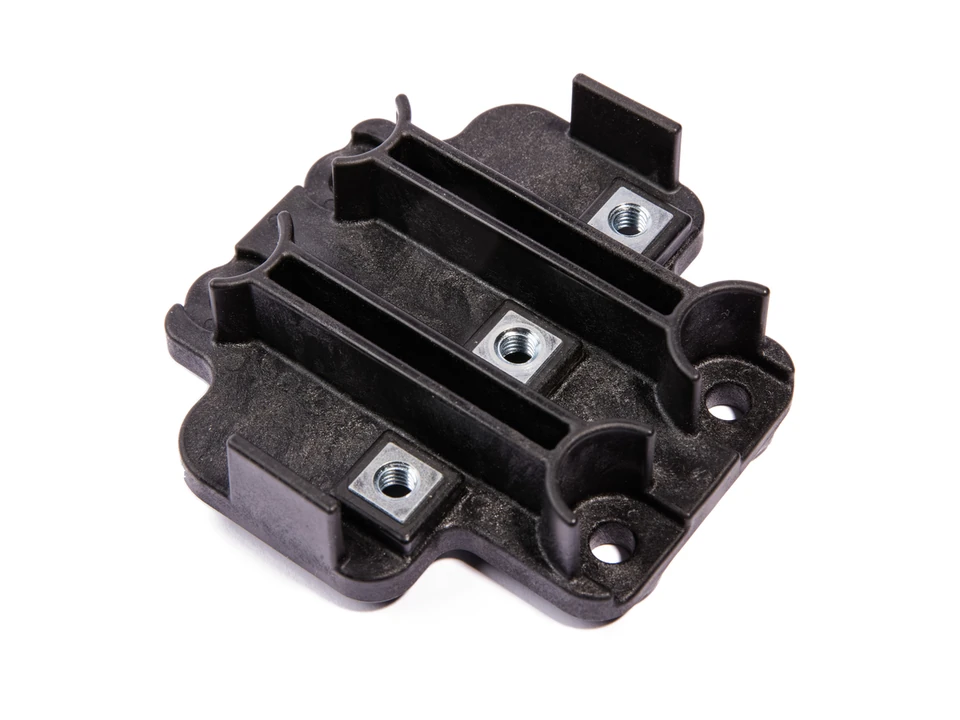
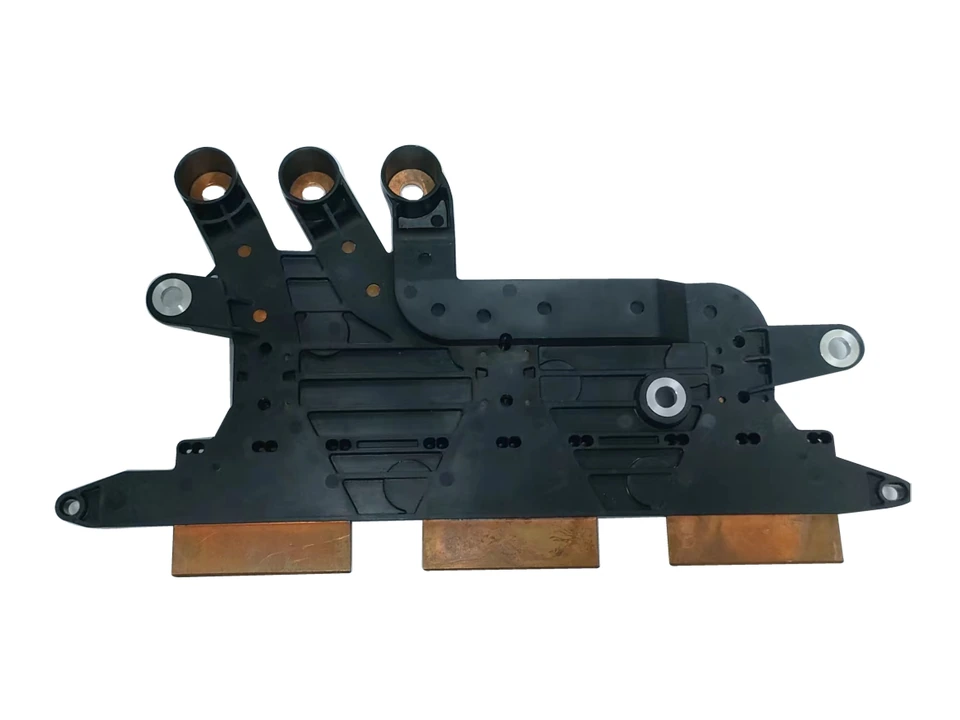
DY’s catalog includes a connector sample with three square threaded inserts and molded partitions, alongside a plate-shaped sample with terminal sleeves. These examples show different connection arrangements. The photographs describe visible structures; your drawing and validation requirements define the performance needed for your project.
Keep the plastic and insert files aligned
Provide the 2D drawing and available 3D model with their revision identifiers. If the files differ, state which document controls the relevant dimension. Include the insert drawing, specified material and surface condition. Mark locating features, exposed contact surfaces and the boundary of the molded insulation so each interface can be discussed against the same version. Add any available assembly information to explain the fixing and mating positions.
Specify operating conditions and checks
List the required voltage and current, operating environment, material requirements and insulation criteria. Describe the proposed validation method rather than assuming that another catalog sample has the same rating. Dimensional, appearance and functional checks should refer to the part definition. Where requirements are still being developed, identify the open questions for review instead of filling them with guessed values.
Define supply scope and sample approval
Separate the request for tooling from the request for molded components. State who supplies the inserts and who is responsible for incoming checks. Metal processing, plating and assembly need their own agreed scope. Before sample approval, connect the drawing revision, sample identification and inspection record so the result can be traced to the version being reviewed.
- Give sample quantities, expected production demand and the target schedule as separate inputs.
- Identify the dimensional, visual and functional checks required for approval, including the agreed records.