
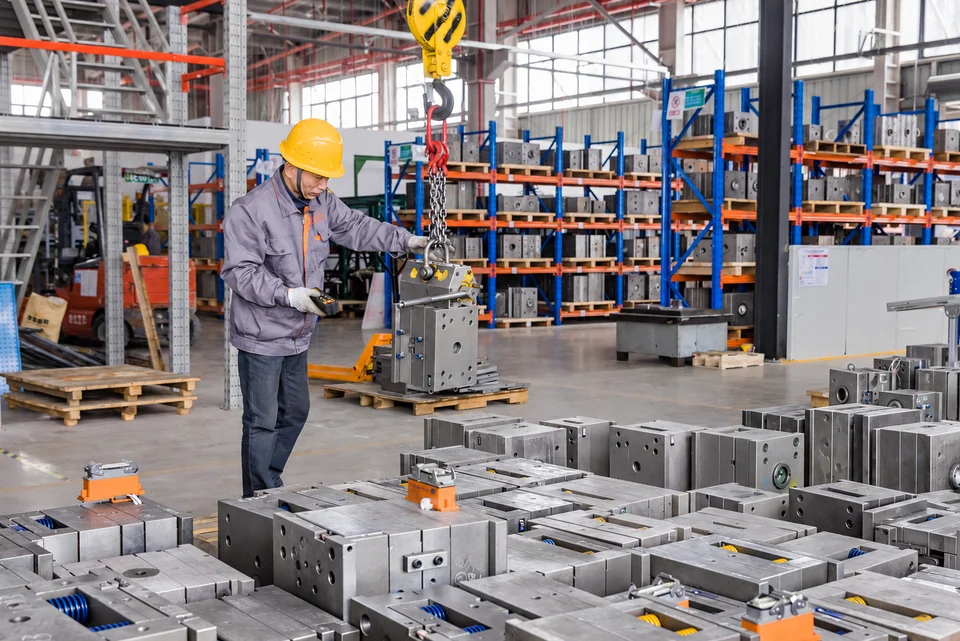
Overseas buyers who write “I’d like to know more” or “please send a catalog” usually need one clear answer first: what does this factory actually do, which part families does it discuss, and how do you start a useful inquiry. This page is that capability map. It is not a customer case story, not a price list, and not a promise of capacity or certifications.
Dongying (Suzhou Dongying Electronic Technology Co., Ltd.) is based in Suzhou, Jiangsu, China. The public site describes three connected manufacturing areas: precision molds, injection molding, and insert molding. You can ask for tooling only, molded parts only, or both—scope is agreed per project in the tooling and supply scope brief.
Three manufacturing areas in one sentence
Short answer: Dongying builds precision injection molds, molds functional plastic parts, and plans insert-molded plastic–metal parts from the same drawing package.
| Area | What it covers | Where to start |
|---|---|---|
| Precision molds | Tooling built around your part geometry, material, critical features and intended mold use (part supply at Dongying or delivery to another site) | Manufacturing · molds |
| Injection molding | Functional molded components—geometry, resin requirements, cosmetic surfaces and sample approval | Manufacturing hub |
| Insert molding | Plastic body and metal insert defined together: insert drawing, supply responsibility, locating features and checks | Insert molding inputs |
The manufacturing hub states the same order of work: review requirements, define tooling and molding, agree sample approval, then plan delivery. That sequence is a discussion path, not a published lead-time table. Days to T1, machine counts and tonnage ranges are not listed here.
Part families we discuss most often
Short answer: the product gallery groups cooling parts, gears and gearboxes, busbar insulation components, and plastic bearing cages—plus other precision molded parts when the drawing fits.
Browse the live product gallery by category. Catalog photographs and component pages show geometry and interfaces for discussion; they are not a claim that every similar part is already tooled as a catalog SKU.
| Family | Typical discussion focus | Hub |
|---|---|---|
| Cooling parts & systems | Impellers, frames, bases and related housings | Micro cooling impeller, cooling bases and supports |
| Gears, gear sets & gearboxes | Tooth geometry, mating features, housings; whether gears and housings are tooled as a set | Plastic gear components, gearbox components |
| Busbar / insert-molded electrical | Conductors with molded insulation; insert position and plastic–metal boundary | Busbar insulation components |
| Bearing cages | Pocket geometry for ball, needle-roller and slewing-style arrangements | Bearing cage components |
| Other precision molded parts | Connector housings, motor insulation and inserts, and other functional parts | Products, motor insulation and inserts |
Liquid-cooling valves, connectors or related plastic parts can be evaluated when you send drawings and requirements; they are not presented here as a standard production series. Metal stamping, plating and final assembly are evaluated separately—not assumed inside every molding quote.
How a project usually moves forward
Short answer: drawings and requirements are reviewed together, scope is frozen, samples are approved against the drawing, then tooling or part supply continues—without published day counts on this page.
- Share what you have. Drawing revision and 3D model when available; otherwise samples, photos and use conditions (drawings and revisions).
- Review together. Geometry, material grade or application constraints, critical dimensions, cosmetic surfaces, inserts and who supplies them.
- Define scope. Mold only, molded parts only, or both; whether the mold will run at Dongying or elsewhere (tooling and supply scope).
- Quote against a frozen brief. Firm tooling and part pricing needs an agreed drawing or model. Incomplete packages support a budgetary discussion only.
- Agree sample approval. Inspection methods, datums, sample quantities and acceptance criteria (inspection and approval, quality).
- Produce or ship tooling. Deliverables follow the written scope—parts, mold, or both.
NDA before drawings and mold ownership after payment are separate topics. If confidentiality comes first, say so when you prepare a project brief.
If you only want a “catalog”
Short answer: use the online product gallery as the catalog-style overview; for a real project, send a short brief instead of waiting for a generic PDF of invented part numbers.
WhatsApp and email often ask for “a product catalog.” The honest equivalent on this site is the product gallery plus the category hubs above. Filter by product type, open component pages for geometry notes, then decide whether your part is close enough to discuss.
A gallery cannot replace your drawing revision, volume band, material callout, mold-vs-parts scope, insert supply boundaries, or inspection expectations. If you already have 2D PDF and 3D STEP files, use the injection molding RFQ checklist, together with the drawings, tooling-scope and insert-inputs guides. If you do not yet have drawings, start with requesting an injection molding quote without drawings.
What to send for a first project brief
Short answer: send the current drawing or the best physical evidence you have, quantities, material notes, insert facts if any, and whether you need tooling, parts or both.
A first useful package usually includes:
- Drawing revision and available 3D model, or samples/photos with a scale reference
- Application context: mating parts, temperature or chemical notes that matter, cosmetic faces
- Sample quantity separate from anticipated production volume
- Named resin grade, or constraints you want evaluated
- For insert molding: insert drawing, material/surface condition, and who supplies the insert
- Supply scope: mold, molded parts, or both; intended mold location if the tool will leave Dongying
- Any quality report formats your project already specifies (discussed case by case on quality—no certification list is claimed here)
When ready, open Prepare a project brief and use the contact form. Company context: About.
FAQ
What manufacturing services does Dongying provide?
Precision molds, injection molding and insert molding, connected around your part drawings and operating requirements. Public manufacturing pages describe tooling built from part geometry, molding of functional components, and insert projects where the plastic body and metal insert are planned together. For an initial discussion, identify the drawing revision, intended material, quantities and the interfaces that determine how the component is used.
Do you only make molds, or also molded parts?
Either or both. State whether you need tooling, molded components, or a combined package, and where the mold will run. Machine interfaces for tools delivered to another site are reviewed against the information you provide. Also identify any existing tool information and the documents needed to define ownership, handover requirements and the division of work.
Which part families do you discuss most often?
Cooling impellers, frames and bases; plastic gears, gear sets and gearboxes; busbar and other insert-molded insulation components; and plastic bearing cages. Other precision injection-molded parts are reviewed against drawings. Liquid-cooling related plastics and metal stamping are evaluated separately when they appear in a package. Use the closest family as a navigation aid, then describe your own component and its interfaces in the inquiry.
How do I start an inquiry if I only want a catalog-style overview?
Browse the product gallery and the category hubs linked above. When a part looks relevant, send a short brief describing the part family, approximate size, material interest and whether you need a mold or parts—do not wait for a fabricated PDF part list. Include the page link as a visual reference, and explain which features match your project and which would need to change.
What should I send for a first project brief?
Drawing revision and 3D when available; otherwise samples or photos; quantities; material notes; insert facts if applicable; supply scope (mold / parts / both); and critical features or inspection expectations you already know. The contact form collects that first package. Name the mating interfaces and explain who would supply any metal inserts. Keep missing information separate from confirmed requirements for the review.
Can you guarantee capacity, certifications or lead times on this page?
No. This overview does not publish machine counts, tonnage ranges, certification numbers, T1 day counts, tolerance classes or performance guarantees. Those topics are handled against your drawing and the documents you require for the project. For a project discussion, send the applicable requirements and identify which supporting records you need to review. An overview or photograph does not replace a documented project assessment.