Describe the part within its assembly
For a plastic gear project, provide the gear drawing and explain the mating parts and surrounding mechanism. For a gear set or gearbox, include the relative arrangement of the gears, housing and connection interfaces. A component that looks similar to a catalog sample may have different fits or operating requirements, so the review should follow the requested design.
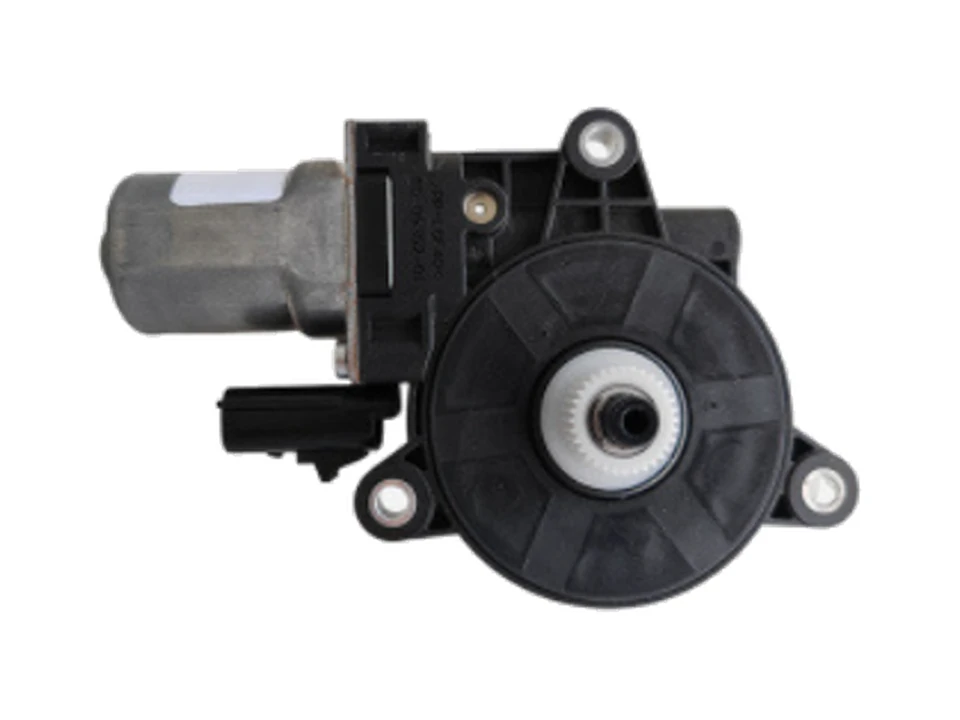
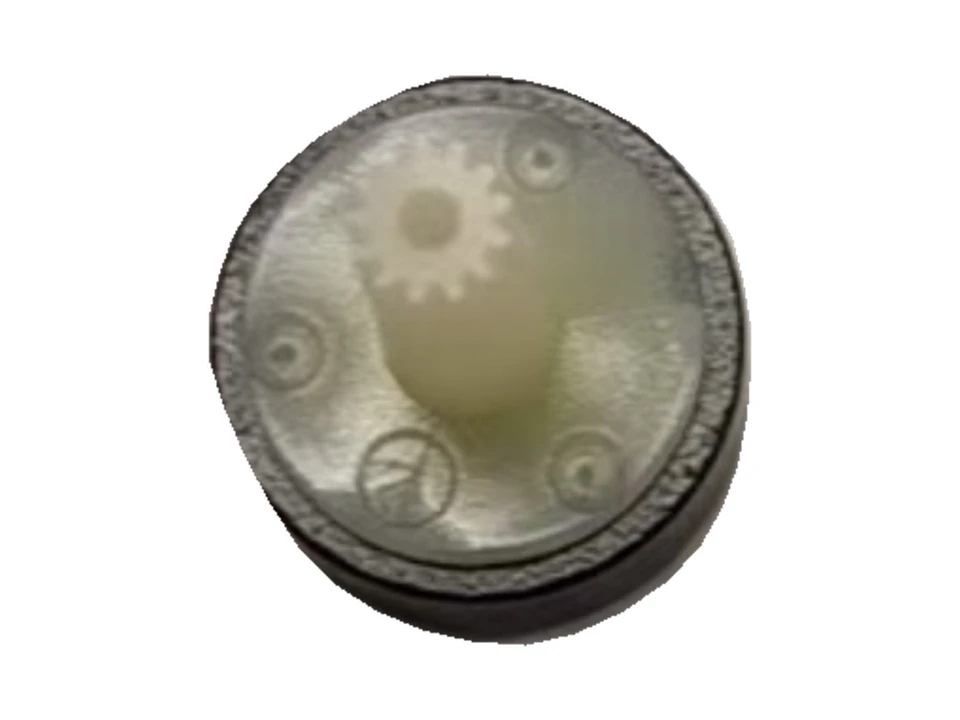
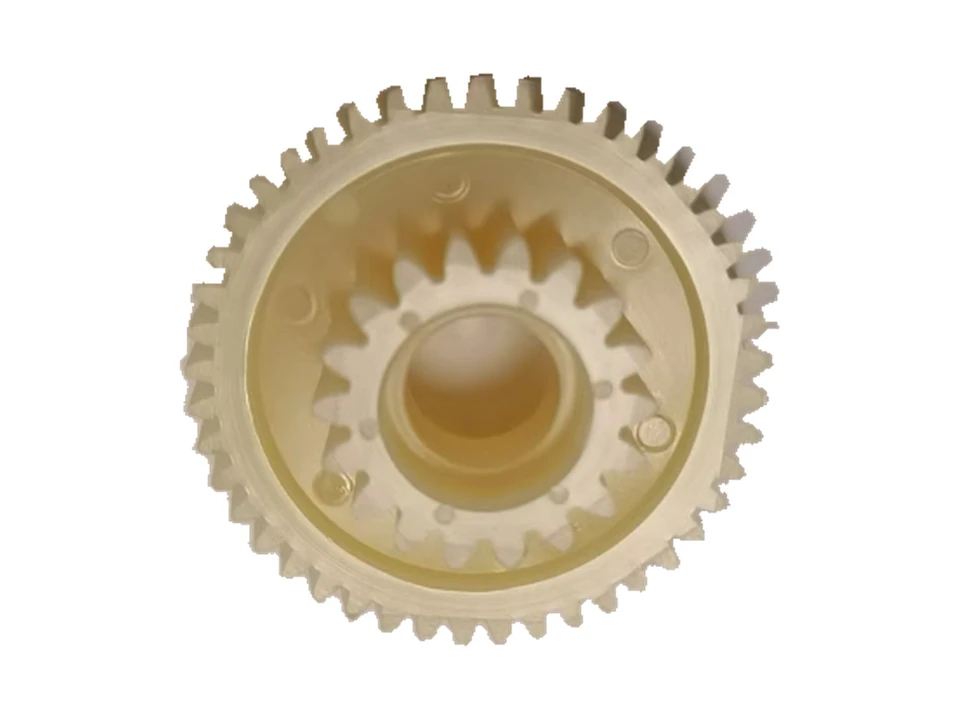
DY’s catalog separates gears, gear sets and gearboxes by visible structure. The examples include central inserts, compound gears and gear arrangements inside housings. They help explain the component type; photographs alone do not establish a gear accuracy grade, load rating or the inspection result for a new project.
Define tooth geometry and interfaces
Submit the 2D drawing and available 3D model with matching revisions. Make the tooth definition and mating gear information clear. For compound structures, show the relationship between each gear feature and the central connection. Mark the assembly datums, critical dimensions and inspection references so the tooth profile, bore and mounting interfaces can be reviewed as one part definition.
State material and operating requirements
Identify the specified material, intended load and operating conditions, together with the acceptance criteria. If the gear contains an insert, provide its drawing, material and surface condition and define who supplies it. Tooling review should consider the gear features, surrounding walls and molding direction together. A material or tolerance shown for another sample should not be transferred to your design without review.
Agree what will be supplied and measured
State whether the inquiry covers a mold, individual molded gears, a gear set, housing parts or a defined assembly. The required component and assembly responsibilities should be explicit. For sample approval, agree the measurement method, datum setup, sample quantity and acceptance criteria. Keep the sample identifier and inspection record linked to the drawing revision, particularly when a mating dimension changes.
- Separate sample quantities from expected production demand and state the target project schedule.
- Identify the requested gear accuracy and fit criteria on the drawing, rather than relying on a photograph.